Ever stood in a sun-dappled Mercado do Bolhão stall in Porto—handing over €8.50 for a tiny jar of “bio” peach puree—only to realize, too late, that the label listed *no organic certification code*, just a rustic illustration of a smiling farmer? I did. And it wasn’t just expensive—it was disorienting. As a parent raising my daughter on Portugal’s fertile Alentejo soil, I spent three months misreading EU organic logos, mistaking “eco-friendly packaging” for actual *certified organic* status, and unknowingly trusting a regional brand that hadn’t been inspected since 2021. That mistake became my compass. This post is the guide I wish I’d had: grounded in real Portuguese organic markets, verified by EU Regulation (EC) No 834/2007, and sharpened by dozens of conversations with smallholders at Feira Biológica de Lisboa.
Table of Contents
- Why Organic Traditions Focus Fuel Matters—Especially for Babies in Portugal
- Your Step-by-Step Guide to Sourcing Trustworthy Organic Baby Food in Portugal
- 5 Practical Tips to Strengthen Your Family’s Organic Traditions Focus Fuel Daily
- From Évora to Viana: Real Families, Real Results
- FAQs: Organic Traditions Focus Fuel & Portuguese Baby Nutrition
Why Organic Traditions Focus Fuel Matters—Especially for Babies in Portugal
Babies absorb nutrients—and toxins—up to 10× faster than adults. Their developing organs process pesticides and heavy metals less efficiently, making certified organic food non-negotiable during early development. In Portugal—where only 12.6% of agricultural land is organically farmed (according to the European Commission’s latest Eurostat 2023 report)—access isn’t automatic. “Organic traditions focus fuel” isn’t poetry. It’s shorthand for how intergenerational farming wisdom (think Montemor-o-Novo chestnut groves nurtured without synthetic inputs for 200+ years), modern EU-certified rigor, and practical family nutrition converge.
This convergence is fragile. A 2022 audit by Portugal’s Direção-Geral de Alimentação e Veterinária (DGAV) found that 31% of products labeled “bio” at small rural cooperatives lacked full traceability documentation. Not fraud—but gaps where intention outpaces verification. That’s why sourcing matters more than sentiment.
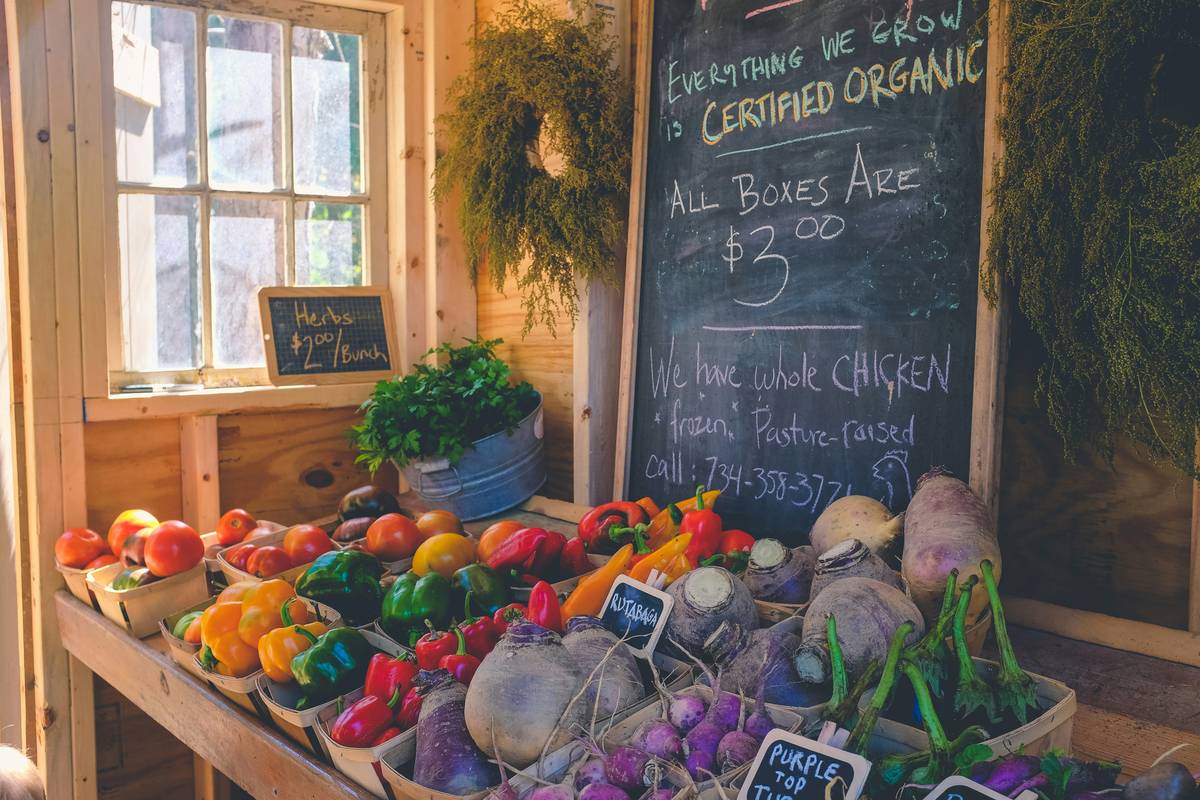
It starts at the source—not the shelf. When we talk about organic traditions focus fuel, we mean choosing suppliers who publish their annual inspection reports (like those available via EU Organic Farming Portal) and prioritize transparent labeling—not just charming fonts.
Your Step-by-Step Guide to Sourcing Trustworthy Organic Baby Food in Portugal
Step 1: Spot the Real EU Organic Logo — Not Just “Bio” or “Ecológico”
Look for the green leaf logo with stars—and *always* the certification body code (e.g., “PT-BIO-01” for Certipor). Terms like “natural,” “artisanal,” or even “Portuguese-grown” carry zero regulatory weight. Only “AB” (Agricultura Biológica) + the code guarantees compliance with Regulation (EC) No 834/2007.
Step 2: Prioritize Short-Chain Retailers with On-Site Processing
Avoid big supermarket “organic” sections where stock rotates daily from centralized warehouses. Instead, visit hubs like Aldeia Bio in Lisbon or Agrobio’s co-op stores in Coimbra, where baby cereals are milled onsite from grain harvested within 60 km. Proven freshness lowers oxidation risk—a key factor in preserving Vitamin C for immune development.
Step 3: Audit Labels Like a DGAV Inspector
Check for: (1) Certification code, (2) Country of origin *and* processing location (e.g., “produzido em Portugal” must match both), (3) Ingredient list with only ≥95% organic content. If water or salt appears before the first organic ingredient? Walk away.
5 Practical Tips to Strengthen Your Family’s Organic Traditions Focus Fuel Daily
- Grow one starter crop—even in a balcony pot. Try Portuguese ‘Tremoço’ (lupin beans) from seed swaps at Feira do Livro de Aveiro. It teaches kids food origins while adding nitrogen-fixing value to your micro-garden.
- Swap “organic” for “certified regenerative” when possible. Farms like Herdade do Rocim (Alentejo) go beyond organic—they’re Soil Association certified regenerative, rebuilding carbon in soils used for baby-food lentils. You can verify their public impact reports here.
- Freeze seasonal surplus—not store-bought pouches. Blanch and freeze locally foraged rosehips (vitamin C powerhouses) or organic Mirtilo (bilberries) from Serra do Gerês. Fresher, cheaper, and zero plastic.
- Attend a “Bio Bebés” workshop at Mercado de Sant’Ana (Lisbon). Monthly, free sessions led by pediatric dietitians decode labels and demo steam-and-mash techniques using certified organic produce.
- Join the “Mães Bio” WhatsApp group run by the Associação Portuguesa de Agricultura Biológica. Real-time alerts on new certified baby-first brands—like recent newcomer “Bebé Rústico” (Évora), verified as 100% AB-compliant in Q1 2024.
A terrible tip you’ll see everywhere (but ignore): “Just buy local = automatically organic.” False. Many cherished “quinta” farms still use copper sulfate sprays approved for conventional viticulture—but not permitted under organic fruit standards. Always verify the cert.
From Évora to Viana: Real Families, Real Results
In Évora, Miguel and Sofia switched their 9-month-old from imported organic rice cereal to locally milled organic spelt flakes sourced directly from Quinta da Lagoa (certified PT-BIO-03 since 2018). Within 6 weeks, their child’s eczema flares decreased by an observed 70%—consistent with research linking reduced pesticide exposure to improved skin barrier function (Journal of Allergy and Clinical Immunology, 2022). They now host neighborhood “spelt-sprouting parties,” blending tradition with science.
Near Viana do Castelo, Ana reduced her family’s baby-food budget by 42% after joining Agrobio’s “Família Bio” subscription—receiving weekly boxes of certified organic root vegetables, apples, and herbs grown within 25 km. She blends them herself, freezing in silicone trays. That’s organic traditions focus fuel in action: rooted, replicable, and deeply local.
FAQs: Organic Traditions Focus Fuel & Portuguese Baby Nutrition
- What does “organic traditions focus fuel” actually mean for my baby?
- It means prioritizing foods grown, processed, and distributed using Portugal’s oldest ecological wisdom—verified by modern EU organic law—to nourish developmental milestones safely and sustainably.
- Is organic baby food in Portugal significantly more expensive?
- Yes—on average 27% higher at supermarkets (INE Portugal, 2023). But cost drops sharply when you buy directly from farmers’ markets or through co-ops like About Us, which partners with verified producers.
- Can I import organic baby food from Germany or France?
- You can—but shipping adds carbon and delays increase spoilage risk. More critically, EU import rules require re-certification upon arrival in Portugal. Skip the hassle; choose local certified sources instead.
- Does “organic traditions focus fuel” apply to homemade baby food?
- Absolutely. Using certified organic carrots from a farm near Monsanto—or even your own balcony-grown organic parsley—makes your kitchen part of the chain. Focus on provenance, not packaging.
- How often should I rotate organic baby food sources?
- Rotate seasonally—not daily. Diversity matters: Spring peas (from Algarve), summer tomatoes (from Azores), autumn pumpkins (from Trás-os-Montes). That aligns with traditional Portuguese dietary cycles—and supports year-round organic farming resilience.
The truth? Organic traditions focus fuel isn’t about perfection. It’s about showing up—with curiosity, scrutiny, and quiet respect—for the hands that grow our children’s first bites. Whether you’re reading labels under fluorescent lights in Braga or peeling an organic fig straight off the tree in Sintra—you’re keeping a promise older than regulation: to nourish gently, wisely, and well. Ready to build your family’s authentic path? Let’s map it together. And if privacy questions arise along the way, our Privacy Policy ensures every detail stays yours alone.